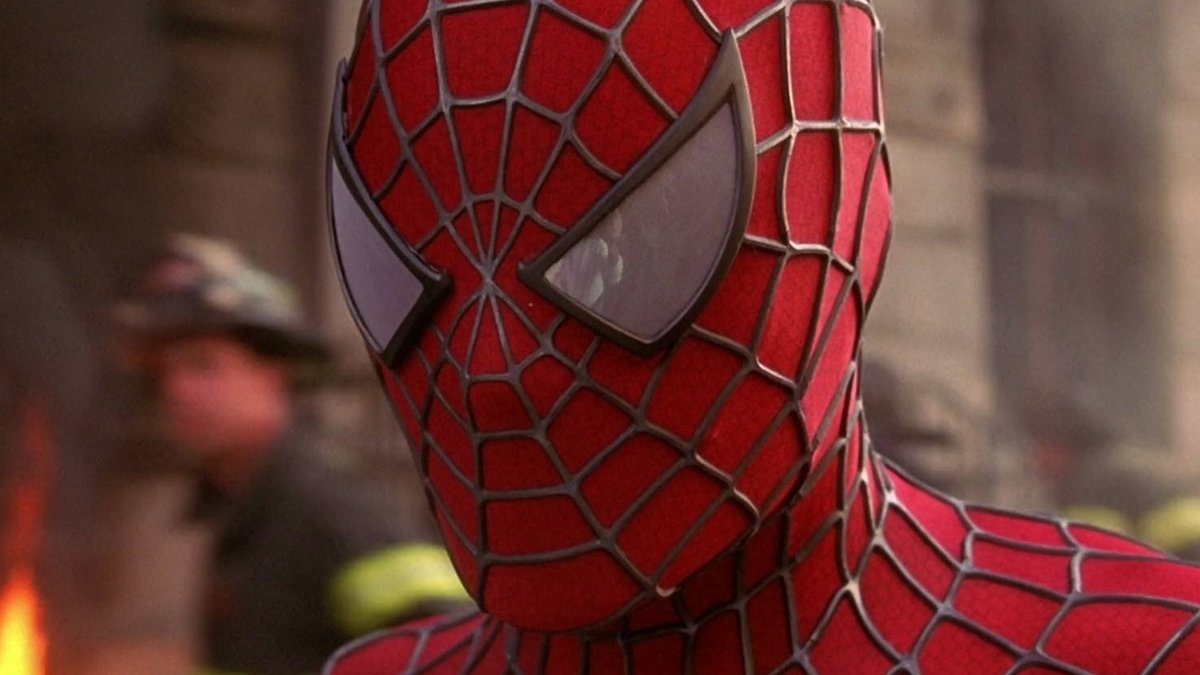
In the vast, ever-expanding universe of superhero cinema, few sagas stand as tall and as beloved as The Sam Raimi Spider-Man Trilogy: An Overview of these foundational films reveals not just their individual brilliance, but their collective, unshaken impact on an entire genre. Long before shared cinematic universes became the norm, Sam Raimi delivered a series of movies that didn't just adapt Marvel's most iconic hero; they defined what a superhero film could be, blending heart, humor, and genuine humanity with spectacular action. These weren't just blockbusters; they were storytelling masterclasses that brought Marvel Comics into the mainstream and continue to resonate with audiences today.
At a Glance: Why Raimi's Spider-Man Endures
- Pioneering Spirit: Credited with launching modern superhero cinema, setting a high bar for character-driven stories.
- Unique Vision: Raimi's distinct directorial style brought a consistent tone and vision, contrasting with many modern, committee-driven films.
- Heart of Peter Parker: Tobey Maguire's portrayal of Peter's struggles with loss, responsibility, and the impossible balancing act remains a gold standard.
- Human Villains: Antagonists like Green Goblin, Doctor Octopus, and Sandman were deeply human, tragic figures, not just caricatures.
- New York as a Character: The city felt alive, with its citizens actively participating in and reacting to Spider-Man's heroism.
- Standalone Excellence: Each film told a complete story, focusing on character arcs without excessive teasing for future projects.
The Blueprint for a Genre: An Unrivaled Vision
What sets Sam Raimi's Spider-Man trilogy apart, even decades later, is its singular focus and unyielding vision. In an era where superhero films often feel like interconnected puzzle pieces designed to build towards a larger narrative, Raimi's films were refreshingly self-contained. Each installment told a complete, compelling story, allowing audiences to fully invest in Peter Parker's journey without feeling like they were just watching a trailer for the next big event.
Raimi's personal touch is evident in every frame, from his signature dynamic camera work to the consistent blend of earnest drama and cheeky, often horror-infused, humor. This unique directorial voice fostered a distinct tone that many committee-made modern superhero films struggle to achieve, proving that a strong authorial presence can elevate genre filmmaking into true art. He stands as one of the few filmmakers, alongside names like Christopher Nolan and James Gunn, to complete an entire superhero trilogy with such a consistent and celebrated vision.
Heart of the Web: Peter Parker's Unrelenting Journey
Central to the trilogy's enduring appeal is Tobey Maguire's nuanced portrayal of Peter Parker. Maguire brought a quiet intensity and an everyman vulnerability to the role that resonated deeply with audiences. This wasn't a superhero who had it all figured out; this was a kid (and then a young man) constantly grappling with the immense weight of his powers and the profound consequences of his choices.
Raimi’s storytelling ensured that Peter Parker consistently experiences loss and trauma in every movie, vividly illustrating the impossibility of having a normal life when you're Spider-Man. Whether it's the death of Uncle Ben, the constant threat to Aunt May, or the heartbreak inflicted upon those he loves, Peter’s journey is a relentless cycle of sacrifice. Maguire and Rosemary Harris, who played Aunt May, delivered truly grounded and intricate performances, selling the emotional core of a character torn between personal desires and an unbreakable sense of responsibility. Many argue that this trilogy remains the best adaptation of Spider-Man's struggle with the crushing burden of "great power, great responsibility."
The Unsung Heroine: Mary Jane Watson's Burden
While Peter Parker carries the mantle of Spider-Man, Mary Jane Watson, brought to life by Kirsten Dunst, carries the burden of his choices. Often overlooked in discussions of the trilogy's strengths, MJ embodies the collateral damage of Peter’s double life, suffering constantly due to his failures and the inherent dangers of loving a superhero. She’s not just a damsel in distress; she's a character forced to navigate a life of constant uncertainty and heartbreak because of her connection to Spider-Man.
Think of the poignant ending of Spider-Man 2, where her forlorn expression after leaving her wedding for Peter speaks volumes about the constant uncertainty and sacrifices inherent in their relationship. The complexity of her journey, and the choices she makes, are an integral part of what makes Kirsten Dunst's Spider-Man films so emotionally resonant. She serves as a critical mirror reflecting the true cost of heroism.
Rogues Gallery with a Human Touch: Raimi's Villains
Perhaps one of Sam Raimi's greatest contributions to the superhero genre was his special grasp on presenting real, human archetypes as antagonists. His villains weren't just cackling baddies; they were deeply wounded, often tragic figures, driven by understandable (if misguided) motivations. This approach made them compelling, relatable, and often heartbreakingly sympathetic.
- Green Goblin (Willem Dafoe in Spider-Man): A villainous pillar for the genre, Willem Dafoe's Norman Osborn / Green Goblin is iconic for a reason. His distinct, often chilling dialogue – remember that rooftop conversation? – and Dafoe's revered, unhinged performance created a truly menacing foe. Norman's hubris, his belief that Spider-Man’s motivations extended beyond pure responsibility, ultimately sealed his tragic fate, making him more than just a masked villain.
- Doctor Octopus (Alfred Molina in Spider-Man 2): Alfred Molina's Doctor Otto Octavius is arguably the franchise's best villain, and certainly one of the greatest in superhero cinema. He’s a larger-than-life, wannabe world-changer, but beneath the terrifying mechanical arms lies a deeply wounded man grieving his wife. Raimi masterfully portrays him as a tragic figure, corrupted by his own ambition and loss, rather than inherent evil. His arc, from brilliant scientist to vengeful supervillain and ultimately to a hero of sorts, is incredibly powerful.
- Sandman (Thomas Haden Church in Spider-Man 3): A stark contrast to the grandeur of Goblin or Doc Ock, Sandman (Flint Marko) is a smaller, broken father desperate to help his sick daughter. Thomas Haden Church delivers a gripping performance, imbuing Marko with a quiet desperation that makes his criminal acts understandable, if not excusable. His story is a poignant exploration of how far a parent will go for their child, adding a layer of grounded tragedy to the film.
- Venom/Eddie Brock (Topher Grace in Spider-Man 3): While Spider-Man 3 is often criticized for its villain overload, Topher Grace's Eddie Brock / Venom is noted for his charming cheesiness and a palpable personal vendetta against Peter Parker. His motivation, born from professional jealousy and personal humiliation, offers a different kind of antagonist – one who is a dark mirror to Peter’s own struggles with ego.
New York: A Character All Its Own
Beyond its unforgettable heroes and villains, the Sam Raimi Spider-Man trilogy made New York City a character in its own right. The films fostered an incredible "lived-in" feel, defined by street-level heroism and unforgettable interactions between Spider-Man and the city's inhabitants. Raimi frequently shows the perspective of ordinary citizens watching events unfold, grounding the extraordinary in the everyday.
New Yorkers don't just stand by; they actively participate. They throw objects at the Green Goblin, cheer Spider-Man, and, critically, agree to keep Peter's identity secret after he is unmasked in Spider-Man 2. This collective ownership of their hero adds significant emotional stakes to action sequences, transforming the city from a mere backdrop into a vibrant, supportive community that rallies behind its friendly neighborhood Spider-Man. This bond between hero and city is a cornerstone of what makes these films feel so authentic.
Ranking the Web-Slinger's Trilogy: From Masterpiece to Flawed Gem
While the entire trilogy holds a special place in cinematic history, fans and critics alike often debate their individual merits. Here's a common consensus on how they stack up:
1. Spider-Man 2 (2004): The Unrivaled Masterpiece
Widely considered one of the best sequels ever made, and a contender for the greatest superhero film of all time, Spider-Man 2 deepens Peter Parker's character study to an unprecedented degree. This is the film where Peter truly grapples with the profound personal failures and sacrifices that come with being Spider-Man, culminating in the iconic scene where he gives up the mantle entirely. Raimi's extreme empathy for his characters shines through, making Peter's struggles feel incredibly real and impactful.
Alfred Molina's portrayal of Doctor Otto Octavius is the franchise's best villain, depicted as a tragic figure, his brilliance consumed by grief and ambition. Raimi masterfully incorporates horror elements reminiscent of his Evil Dead work, particularly in Doc Ock's genesis scene, adding a visceral edge to the superhero spectacle. Spider-Man 2 is celebrated as the most intimate deconstruction of heroism and arguably the greatest Spider-Man adaptation ever committed to film.
2. Spider-Man (2002): The Origin Story Perfected
The film that started it all, Spider-Man is a near-perfect origin story that patiently explores Peter's painful acceptance of his responsibilities. It functions as a great coming-of-age film, balancing the universal pressures of school, friendships, and nascent romance between Peter and Mary Jane with the extraordinary burden of his newfound powers.
This inaugural film celebrates the indomitable spirit of New York and introduces Willem Dafoe's menacing Green Goblin, leading to one of the most violent and emotionally charged PG-13 fight scenes ever seen at the time. The bittersweet ending, emphasizing Peter's necessary sacrifice for heroism, perfectly sets the stage for the challenges to come, leaving audiences eager for more while still delivering a complete narrative.
3. Spider-Man 3 (2007): A Flawed but Fascinating Ambition
Spider-Man 3 is often seen as the trilogy's black sheep – a flawed but undeniably entertaining film. Its biggest issue stemmed from an overloaded plot attempting to introduce three new villains (New Goblin, Sandman, and Venom) alongside dual love triangles. This led to a bloated narrative and insufficient character development for many of its compelling threads.
The film also suffered from tonal confusion, with slapstick scenes (Peter's infamous emo dance) clashing awkwardly with genuinely dramatic and tragic moments. It's widely understood that Sony Pictures' pressure to include certain elements, particularly Venom, contributed significantly to its issues. Despite these narrative challenges, Thomas Haden Church (Sandman) and James Franco (Harry Osborn, as the New Goblin) deliver gripping and often heartbreaking performances. The film's complicated reception, and Raimi's subsequent decision not to direct Spider-Man 4, left this groundbreaking saga feeling unfinished for many fans.
The Lingering Web: Why These Films Still Matter
The Sam Raimi Spider-Man trilogy carved a path that countless superhero films would follow, yet few have matched its unique blend of heart, humor, and compelling character drama. Its legacy is more than just box office success; it's about setting a benchmark for what superhero stories could achieve, proving that profound emotional depth could coexist with thrilling action.
In an age of cinematic universes and constant future-teasing, Raimi’s films stand as a testament to the power of individual storytelling and a singular artistic vision. The recent re-circulation of all three films in theaters, met with an enthusiastic and active audience, highlights their enduring appeal and prompts fervent speculation about a potential Spider-Man 4. Whether a continuation ever materializes, the original trilogy will forever remain a foundational text for understanding superhero cinema—a vivid reminder of the incredible stories that emerge when a passionate filmmaker takes a beloved character and truly makes him fly.