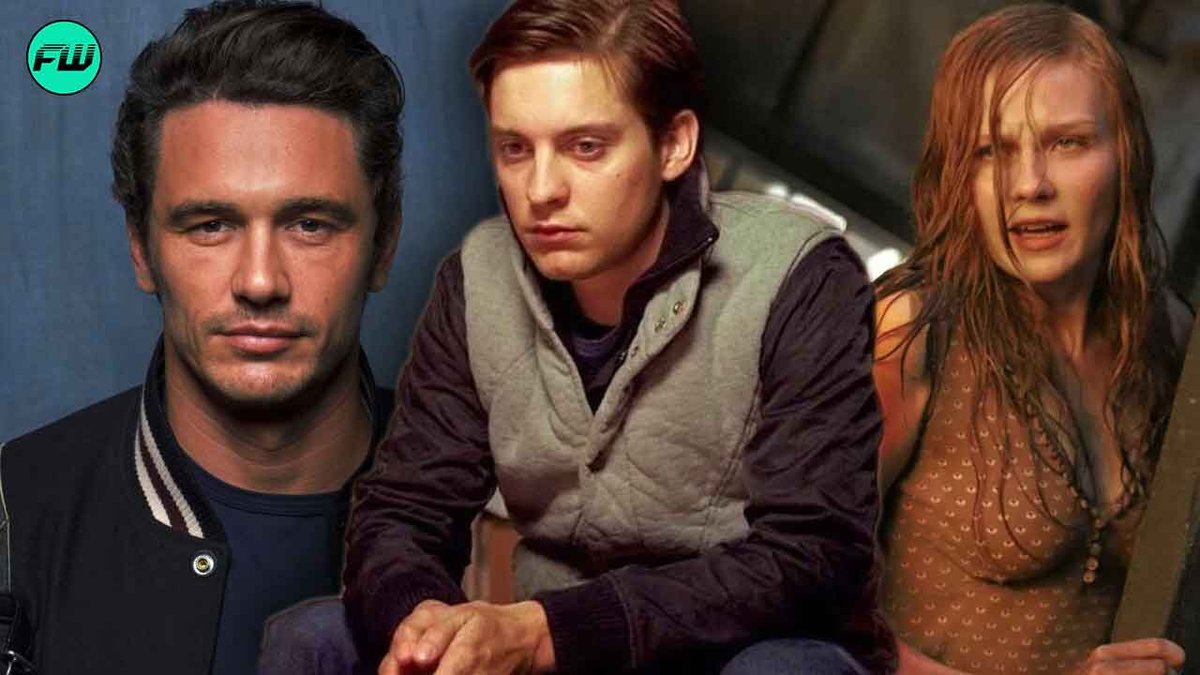
Before the multiversal madness, before the endless reboots and intricate cinematic universes, there was a grounded, heartfelt superhero story that captured the world's imagination. Much of its enduring power came from the rich Cast & Character Dynamics: Dunst, Maguire, Franco at its core, weaving a tapestry of friendship, love, and betrayal that felt deeply human. This wasn't just about a guy in a red and blue suit; it was about the complex relationships that defined him, brought to life by three actors who, arguably, set a new standard for superhero storytelling.
At a Glance: The Enduring Impact of a Trio
- Tobey Maguire's Peter Parker: Masterfully embodied the quintessential "everyman" hero – awkward, burdened by responsibility, and deeply empathetic.
- Kirsten Dunst's Mary Jane Watson: More than a damsel in distress, MJ was portrayed as a complex character with her own dreams and struggles, providing a crucial emotional anchor. You can dive deeper into Kirsten Dunst's Spider-Man movies to appreciate her full arc.
- James Franco's Harry Osborn: Delivered a powerful performance charting the tragic descent from loyal best friend to vengeful nemesis, adding profound dramatic tension.
- Authentic Chemistry: The trio’s performances fostered believable, evolving relationships that elevated the dramatic stakes beyond mere superhero action.
- The Emotional Core: Their dynamic served as the heart of Sam Raimi's trilogy, making the fantastic feel intimately personal and relatable.
The Trinity That Defined a Generation: Why Dunst, Maguire, and Franco Mattered
When Sam Raimi’s Spider-Man swung into theaters in 2002, the landscape of superhero cinema was starkly different. We were years away from the MCU's interconnected sagas, and many previous attempts at adapting comic book heroes often struggled to balance spectacle with soul. What made Raimi's vision, and specifically its core cast, resonate so profoundly was its unwavering commitment to character.
Tobey Maguire, Kirsten Dunst as Mary Jane Watson, and James Franco weren't just actors hired for their looks; they were chosen for their ability to convey the intricate emotional lives of Peter Parker, his dream girl, and his best friend. This wasn't just casting; it was an alchemy that would define a generation's understanding of these iconic characters, demonstrating that even a web-slinger needs a robust human drama to truly soar.
Peter Parker & Mary Jane Watson: The Awkward Dance of First Love (Tobey Maguire & Kirsten Dunst)
The central romantic dynamic between Peter Parker and Mary Jane Watson, brought to life by Tobey Maguire and Kirsten Dunst, anchored the entire trilogy. It was a relationship built on longing, missed opportunities, and the heavy weight of Peter's secret life. Their chemistry wasn't explosive in a typical Hollywood romance sense; it was subtle, earnest, and deeply relatable, mirroring the awkwardness and intensity of first love.
Maguire’s Peter Parker was the quintessential underdog, a brilliant but socially stunted science nerd who found himself endowed with incredible powers. His portrayal captured the internal struggle of a young man desperate for connection but constantly held back by his sense of duty. This made Tobey Maguire's iconic take on Peter Parker particularly compelling, as viewers felt every pang of his unrequited affection for MJ.
Kirsten Dunst, as Mary Jane, wasn’t merely the "girl next door" or the object of Peter's affection. She was a character with her own aspirations and vulnerabilities, struggling with an abusive father, a longing for escape, and a desire to be seen for who she truly was. Her character arc, which we explore further in Mary Jane Watson's character arc, gave her depth that transcended the stereotypical love interest role. She wasn't just waiting to be rescued; she was navigating her own tumultuous life.
Their interactions were goldmines of unspoken longing and palpable tension. Think of the iconic upside-down kiss in the rain in Spider-Man (2002), a moment of pure cinematic magic that perfectly encapsulated their yearning connection. It wasn't just a physical act; it was a revelation of hidden affection. Throughout the trilogy, their relationship evolved from a crush Peter couldn't act on, to a complicated partnership fraught with Peter's commitment issues and MJ's search for stability. The push-pull of their connection, fueled by Peter's fear of endangering MJ and her need for honesty, felt agonizingly real to audiences.
Peter Parker & Harry Osborn: The Shifting Sands of Friendship and Foe (Tobey Maguire & James Franco)
Beyond the romance, the most tragic and deeply explored dynamic was the brotherhood between Peter Parker and James Franco’s Harry Osborn. This wasn't a hero and villain clash from the outset; it was a friendship forged in childhood, tested by loss, and ultimately shattered by misunderstanding and vengeance.
James Franco’s Harry Osborn was a complex character from the start – privileged, yes, but also deeply insecure, constantly striving to earn his powerful father’s approval. His portrayal was a masterclass in subtlety, gradually peeling back layers of a good-natured friend to reveal the simmering resentment and pain beneath. Delving into James Franco's nuanced portrayal of Harry Osborn showcases just how vital his performance was to the trilogy's dramatic weight.
Their friendship began as typical collegiate camaraderie, filled with loyalty and mutual support. But the seeds of tragedy were sown early, particularly through the figure of Harry’s manipulative father, Norman Osborn (Willem Dafoe), who transforms into the Green Goblin. When Norman Osborn dies, mistakenly believed by Harry to be at Spider-Man’s hands, Harry’s grief transforms into a single-minded obsession for revenge. This pivotal moment sets Harry on a dark path, forever altering his bond with Peter.
The beauty and tragedy of this dynamic lay in its deeply personal nature. Harry wasn't just fighting Spider-Man; he was fighting Peter, his best friend, unknowingly. This added immense emotional weight to every confrontation. Franco skillfully conveyed Harry's descent, from a grieving son to a vengeful, often sympathetic antagonist who genuinely believed he was doing the right thing. The internal conflict within Harry, mirroring Peter’s own struggles, provided a powerful counterpoint to the superheroics. Their eventual, heartbreaking reconciliation in Spider-Man 3, where Harry sacrifices himself for Peter, underscored the profound love and loyalty that, despite everything, still existed between them. It’s a testament to the actors’ performances that this reversal felt earned and devastating.
Mary Jane & Harry Osborn: The Unlikely Triangle
The relationship between Mary Jane Watson and Harry Osborn, while secondary to the Peter-MJ and Peter-Harry dynamics, added another crucial layer of complexity to the narrative. It wasn't merely a love triangle cliché; it was a poignant exploration of characters seeking comfort, stability, and affection in difficult circumstances.
After Peter repeatedly pushed MJ away due to his Spider-Man responsibilities, she sought solace elsewhere. Harry, still reeling from the loss of his father and yearning for genuine connection, offered her a sense of stability that Peter, in his secret life, couldn't. Their brief romance highlighted MJ's vulnerability and her desire for a normal relationship, while also showcasing Harry's capacity for tenderness, even amidst his growing darkness.
This dynamic served multiple purposes: it intensified Peter’s internal conflict, making him confront the consequences of his heroic isolation. It also humanized Harry, showing that even a character on the brink of villainy could genuinely care for someone. The triangle wasn't about cheap drama; it was about the messy realities of young adults navigating their lives, their feelings, and the painful decisions they often have to make. It underscored the profound personal stakes involved, reinforcing that the "human" was always at the forefront of Sam Raimi's directorial vision for Spider-Man.
Behind the Scenes: Crafting the Chemistry
Achieving such profound character dynamics is rarely accidental. It's a testament to the meticulous planning and collaborative spirit behind the scenes, particularly under the guidance of director Sam Raimi. Raimi, known for his character-driven approach, prioritized authentic emotional beats over mere spectacle. He understood that for audiences to care about Spider-Man, they first had to care about Peter Parker and the people in his life.
The casting process itself was pivotal. Maguire, Dunst, and Franco were not the most obvious choices for blockbuster leads at the time, but Raimi saw in them the capacity for vulnerability, depth, and a certain earnestness that would define their characters. He allowed the actors space to explore their roles, fostering an environment where natural chemistry could flourish.
The screenplay, co-written by David Koepp for the first film and further developed in the sequels by Raimi, his brother Ivan, and Alvin Sargent, meticulously laid the groundwork for these evolving relationships. It resisted easy answers, instead opting for complex emotional journeys that mirrored real-life struggles. The characters weren't static; they grew, made mistakes, and suffered consequences, making their interactions all the more compelling. This careful crafting ensured that while the action sequences were thrilling, it was the emotional core—the friendships, the betrayals, the sacrifices—that truly resonated, giving even the Green Goblin's lasting impact a deeply personal dimension.
The Enduring Legacy: Why Their Dynamics Still Resonate
Decades later, the Cast & Character Dynamics: Dunst, Maguire, Franco continue to be a benchmark for superhero storytelling. Why? Because they grounded the extraordinary in the utterly human. Before the comic book movie boom fully took hold, this trilogy proved that audiences craved emotional investment just as much as they craved epic battles.
Their portrayals offered:
- Relatability: Peter Parker's struggles with identity, responsibility, and love were universal. MJ's vulnerability and search for purpose, and Harry's descent into grief and anger, spoke to fundamental human experiences.
- Emotional Depth: The film didn't shy away from pain, loss, or moral ambiguity. These characters felt the weight of their choices, lending a gravitas that elevated the genre.
- Character-Driven Narrative: The plots were intricately tied to the characters' relationships and personal growth, rather than just being a series of escalating threats. This made the stakes feel genuinely high, because we cared about what happened to them.
This focus on the internal lives of its protagonists had a ripple effect, influencing how subsequent superhero films would approach character development. It showed that even with a CGI-heavy hero, the human story is paramount.
Common Criticisms and Nuances
While largely celebrated, the character dynamics in the Raimi trilogy weren't immune to scrutiny. Some critics and fans, for instance, occasionally found Mary Jane Watson’s "damsel in distress" moments frustrating, arguing that her agency could have been stronger. However, it's also worth noting that Dunst consistently imbued MJ with a spark and resilience that transcended these narrative beats, suggesting a character fighting against her circumstances.
Similarly, the intensity of James Franco's performance in Spider-Man 3, particularly during Harry's more villainous turns, sometimes divided audiences. Some found it too melodramatic, while others praised it as a fearless portrayal of a man consumed by grief and rage. These nuances highlight the complexity of these characters and the layered performances that invited such varied interpretations, sparking countless discussions among fans about the true motivations and arcs of the trio.
Beyond the Frame: What Made Them Click
Ultimately, what made Dunst, Maguire, and Franco click wasn't just talent; it was a perfect storm of casting, direction, and writing that aligned with a clear vision. They weren't just playing roles; they were inhabiting complex individuals whose lives intersected in profound ways.
- Vulnerability: Each actor allowed their character to be vulnerable, whether it was Peter's self-doubt, MJ's struggles with her family, or Harry's pain over his father. This rawness made them instantly empathetic.
- Balance: The trio maintained a delicate balance between the fantastical elements of the story and the gritty realism of their personal struggles. This grounded the superhero narrative.
- Evolving Relationships: Their dynamics were never static. They changed, grew, fractured, and sometimes healed, reflecting the fluid nature of real human connections. This journey was as compelling as any fight scene.
It's a powerful reminder that while special effects can dazzle, it’s the human heart of a story, brought to life by compelling performances and authentic chemistry, that truly leaves an indelible mark.
What You Can Learn from Their Collaborative Brilliance
The profound impact of the Cast & Character Dynamics: Dunst, Maguire, Franco offers valuable lessons not just for filmmakers, but for anyone appreciating compelling storytelling. Their work demonstrates that:
- Casting is paramount: Finding actors who not only fit the physical description but can genuinely convey emotional depth and forge believable connections is crucial. Chemistry isn't just a bonus; it's often the main ingredient.
- Character development drives the narrative: Plots are more engaging when they emerge from the characters' internal struggles and evolving relationships, rather than simply being external events imposed upon them.
- Vulnerability creates relatability: Allowing characters to be flawed, to struggle, and to show their authentic emotions makes them more human and, paradoxically, stronger in the eyes of the audience.
- Tragedy and complexity add depth: Not every relationship has a simple, happy ending. Exploring the darker sides of human connection – jealousy, betrayal, vengeance – can elevate a story and make its eventual resolutions, or lack thereof, all the more powerful.
Reflecting on their performances reminds us why the original Spider-Man trilogy remains beloved: it captured the essence of heroism not just in powers, but in people, in the messy, beautiful, and utterly unforgettable relationships between them.